
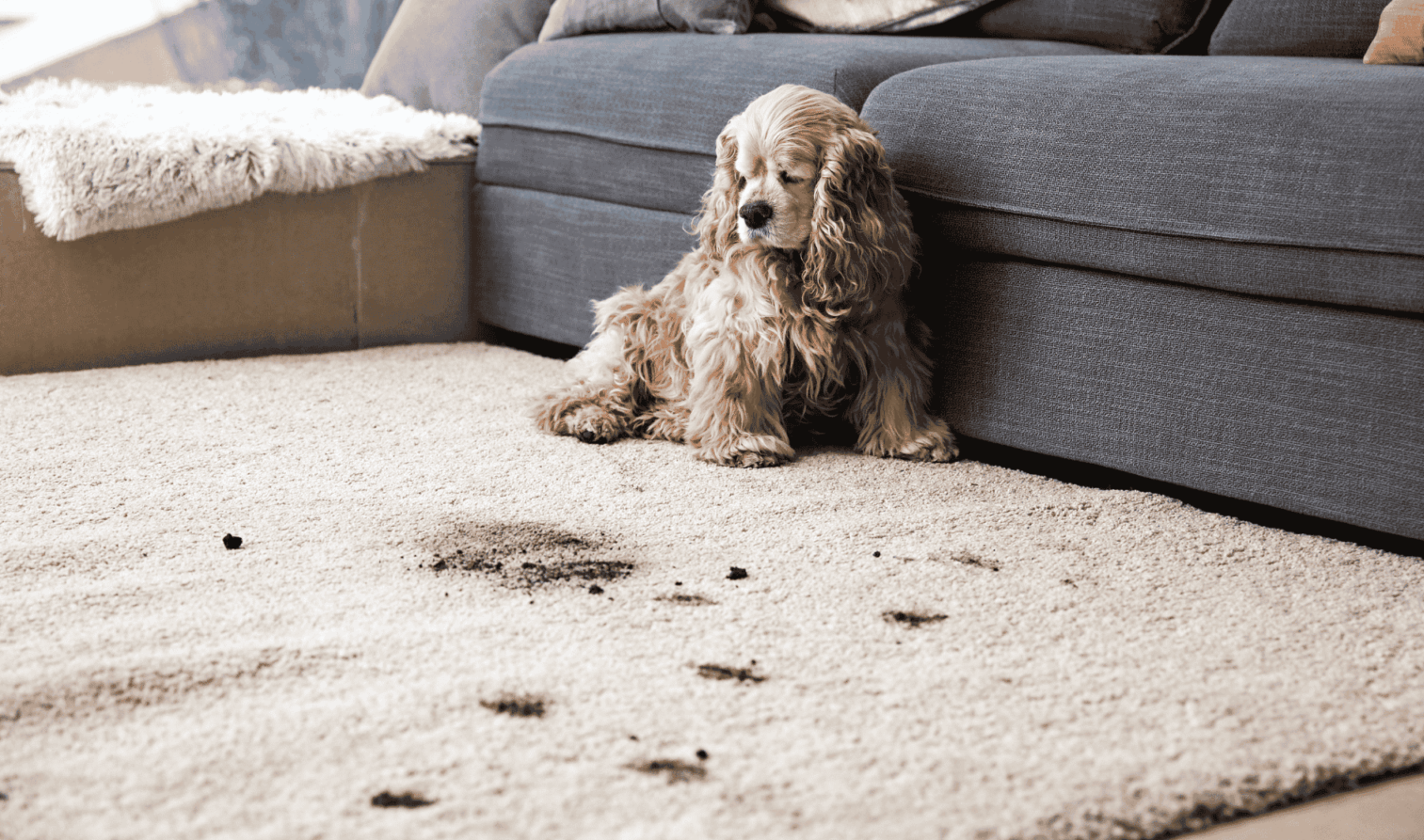
How Pet Stains Damage Delicate Rug Fibers and Why Immediate Treatment Matters
Pets are an important part of many families, bringing companionship, comfort, and joy into the home. However, even the best-trained pets can occasionally have accidents that leave stains on rugs and carpets. While many homeowners focus primarily on the visible appearance of a stain, the real damage often occurs beneath the surface where moisture, bacteria, and contaminants interact with delicate fibers.
For owners of Oriental rugs, Persian rugs, wool rugs, and other specialty floor coverings, pet stains represent more than a cosmetic concern. If not treated properly, pet accidents can cause permanent fiber damage, discoloration, lingering odors, and deterioration of the rug’s foundation. Understanding how pet stains affect rugs helps homeowners take the right steps to protect their investment and maintain the beauty of their floor coverings.
Why Pet Stains Are More Than Surface Problems
When a pet accident occurs, many homeowners respond by blotting the visible moisture and applying a household cleaner. While this may improve the appearance temporarily, it rarely addresses the full extent of the contamination.
Liquid quickly penetrates through the rug’s pile and into the foundation. Depending on the construction of the rug, moisture can travel deep into the underlying fibers, where it becomes difficult to remove without professional cleaning methods.
Even when the surface appears clean, contaminants may remain trapped beneath the visible layer. This hidden residue often contributes to long-term odor problems and fiber deterioration.
The Unique Vulnerability of Oriental Rugs
Handmade Oriental rugs differ significantly from standard wall-to-wall carpeting.
Many Oriental rugs are constructed using natural fibers such as wool, silk, and cotton. These materials offer exceptional beauty and durability, but they can also be more sensitive to staining and chemical exposure.
Natural fibers tend to absorb liquids more readily than many synthetic materials. Once pet urine or other contaminants penetrate the rug, they can interact with dyes, fibers, and foundation materials in ways that create lasting damage.
Because of this, Oriental rugs require specialized cleaning methods designed specifically for delicate handcrafted textiles.
How Pet Urine Affects Wool Fibers
Wool is one of the most common materials used in handmade rugs.
While wool possesses natural resilience, pet urine can create several challenges. The acidic components found in urine may weaken fibers over time, particularly if contamination remains untreated for extended periods.
As moisture dries, concentrated residues remain behind. These residues can attract additional dirt and create discolored areas that become increasingly noticeable.
Repeated exposure may also contribute to texture changes that affect the appearance and feel of the rug.
Why Odors Become Difficult to Remove
One of the most frustrating aspects of pet stains is lingering odor.
Many homeowners assume odors originate from the visible stain area. In reality, odors often develop because contamination has reached the rug’s foundation and backing materials.
As humidity levels fluctuate, trapped contaminants may reactivate and release odors back into the indoor environment.
South Florida’s climate can make this issue even more noticeable. Elevated humidity often intensifies odor concerns and increases the likelihood of recurring smell problems if contamination is not removed completely.
The Risk of Color Damage and Dye Migration
Many handmade rugs use natural dyes that contribute to their distinctive beauty.
Improper stain treatment can affect these dyes in several ways. Harsh cleaning chemicals may cause fading, while excessive moisture can lead to color migration between adjacent fibers.
Homeowners sometimes unintentionally worsen the problem by scrubbing aggressively or applying inappropriate cleaning products.
Professional rug cleaners evaluate dye stability before beginning treatment, helping reduce the risk of permanent color damage.
How Pet Stains Attract Additional Dirt
Pet accidents often leave behind sticky residues even after visible moisture disappears.
These residues act like magnets for dirt and dust. Areas affected by pet stains frequently become noticeably dirtier than surrounding portions of the rug.
Homeowners may find themselves repeatedly cleaning the same area without realizing the underlying contamination remains present.
Professional cleaning removes both the stain and the residue responsible for attracting additional debris.
Why Household Cleaning Products Can Cause Problems
Store-bought cleaning products often promise quick stain removal, but they are not always suitable for specialty rugs.
Some cleaners contain chemicals that may damage natural fibers or alter dye colors. Others leave behind residues that contribute to future soiling.
Products designed for synthetic carpeting may be particularly problematic when used on Oriental rugs, silk rugs, or other delicate textiles.
Without understanding the rug’s construction and materials, homeowners may inadvertently create additional damage while attempting to solve the problem.
The Importance of Immediate Action
Time plays a critical role in stain removal success.
The sooner a pet stain receives proper treatment, the greater the likelihood of complete removal. Fresh contamination is generally easier to address than stains that have remained in the rug for days, weeks, or months.
Prompt action helps reduce:
- Fiber damage
- Odor development
- Dye instability
- Foundation contamination
- Long-term restoration costs
Even if professional cleaning cannot occur immediately, taking appropriate initial steps helps minimize damage.
Professional Cleaning vs. Spot Treatment
Spot cleaning may be appropriate for very minor incidents, but larger or repeated pet accidents often require more comprehensive care.
Professional rug cleaning addresses contamination throughout the entire rug structure rather than focusing solely on visible surface areas.
This process typically includes:
- Contaminant removal
- Odor treatment
- Fiber cleaning
- Foundation flushing
- Controlled drying
These procedures help restore cleanliness while protecting the rug’s materials and construction.
Protecting Valuable Rugs From Future Damage
Preventative measures can help reduce future pet-related issues.
Homeowners may benefit from:
- Routine professional cleaning
- Prompt accident response
- Protective rug pads
- Regular inspections
- Pet training reinforcement
These strategies help preserve both the appearance and longevity of valuable rugs.
While accidents may occasionally occur, proper care significantly reduces the likelihood of permanent damage.
Conclusion
Pet stains can affect far more than the visible appearance of a rug. Moisture, residues, odors, and contaminants often penetrate deep into fibers and foundations, creating problems that worsen over time if left untreated.
For owners of Oriental rugs and other specialty floor coverings, professional rug cleaning remains the most effective way to address pet-related contamination while protecting delicate materials. Immediate treatment, proper cleaning techniques, and routine maintenance help preserve the beauty, value, and lifespan of rugs for years to come.
Understanding how pet stains damage delicate rug fibers allows homeowners to respond appropriately and protect some of their home’s most valuable decorative investments.
Call Today
786-540-4020
Free Estimate
Submit your review | |
From pickup to delivery, everything went smoothly. My rug came back looking beautiful and smelling fresh. I will definitely use them again.